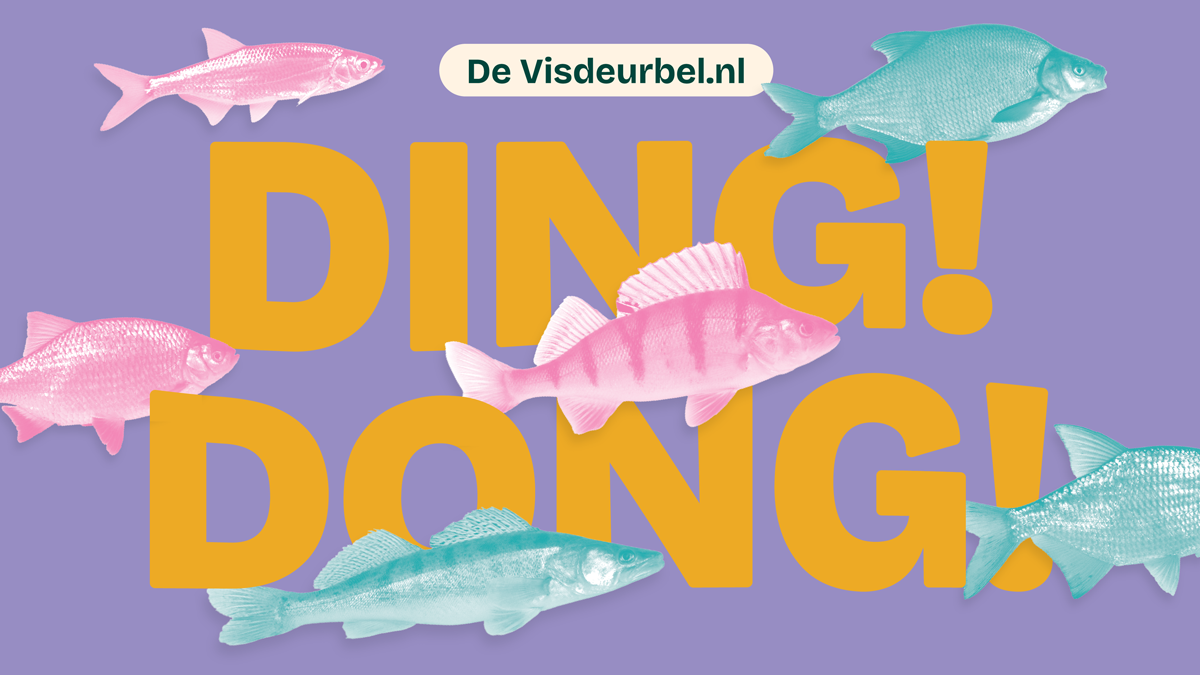
Utrecht's Fish Doorbell: A Beacon for Migrating Eels and Pike
Imagine a doorbell, not for your neighbor, but for fish! In the charming Dutch city of Utrecht, an innovative and heartwarming project known as the "Visdeurbel" (Fish Doorbell) is captivating audiences worldwide and, more importantly, providing a crucial lifeline for migrating fish. Every spring, as waters warm, species like the enigmatic eel and the formidable pike embark on vital journeys, often encountering man-made barriers. This ingenious system, a testament to Dutch innovation and environmental stewardship, allows humans to actively assist these aquatic travelers, ensuring their passage to essential spawning and feeding grounds. It’s a unique blend of technology, community engagement, and a deep respect for nature's rhythms, making Utrecht a pioneer in modern aquatic conservation.
The Ingenious Visdeurbel: A Gateway for Migrating Fish
At its core, the Visdeurbel is a brilliantly simple yet profoundly effective solution to a common environmental challenge: obstructed fish migration. In Utrecht, as in many historic European cities, canals and waterways are integral to the urban fabric. However, sluices and weirs, designed for water management and navigation, can become insurmountable barriers for fish needing to move upstream to spawn or find new habitats. This is where the Visdeurbel steps in.
The system features an underwater webcam strategically placed at a sluice, streaming live footage to a dedicated website. Anyone, anywhere in the world, can tune in and observe the aquatic activity. When a fish is spotted waiting to pass through the sluice, viewers are encouraged to virtually "ring the doorbell." This notification alerts a local sluice operator, who can then open the barrier, allowing the fish to continue its journey unhindered. This interactive approach transforms a passive observation into an active act of conservation, fostering a global community of "fish helpers."
The journey for these fish often begins in the Vecht river, a picturesque waterway that winds through the Dutch landscape. For species like the eel, this migration is part of an incredible, often multi-year, life cycle that spans continents. Pike, on the other hand, require access to specific shallow, vegetated areas upstream for successful spawning. Without assistance, many would be stranded, their reproductive cycles interrupted and their populations further stressed. The Visdeurbel ensures that these vital natural processes can continue, connecting fragmented ecosystems and supporting biodiversity. To delve deeper into how this amazing project works, you might find this article insightful:
Ring the Visdeurbel: Utrecht's Unique Webcam Project Explained.
Why Eels and Pike Need Our Help: Understanding Fish Migration Challenges
The plight of migrating fish, particularly species like the eel and pike, is a pressing environmental concern. Their journeys are not just habitual movements; they are fundamental to their survival and the health of entire aquatic ecosystems.
*
European Eels (Anguilla anguilla): The life cycle of the European eel is one of nature's most extraordinary sagas. Born in the Sargasso Sea in the Atlantic Ocean, young eels (larvae) drift across the Atlantic to the European coast. They then migrate upstream into freshwater rivers and lakes, including those connected to Utrecht's canals, where they grow for many years. Once mature, they embark on the arduous return journey back to the Sargasso Sea to spawn and complete their life cycle. Barriers like sluices and weirs represent significant challenges to both the upstream and downstream legs of this epic journey, severely impacting their already critically endangered populations. Their nocturnal habits mean they often try to pass under the cover of darkness, making human intervention at the right moment even more critical.
*
Pike (Esox lucius): Pike, a top predator in many European freshwater systems, require specific conditions for successful reproduction. In early spring, they migrate from deeper waters into shallow, often flooded, vegetated areas to spawn. These areas provide crucial cover and food for their eggs and fry. If their access to these spawning grounds is blocked, their reproductive success plummets, leading to declines in local populations. A healthy pike population is vital for maintaining ecological balance within their habitats, controlling prey fish numbers and contributing to overall aquatic ecosystem health.
The Visdeurbel isn't just about opening a gate; it's about reconnecting these essential habitats and supporting the intricate web of life that depends on unobstructed waterways. It's a proactive step in reversing habitat fragmentation and giving these species a fighting chance against the myriad of challenges they face, from pollution to climate change.
How You Can Be a Part of the Solution: Ringing the Fish Doorbell and Beyond
Participating in the Visdeurbel project is remarkably simple and immensely rewarding. It provides a tangible way for anyone, regardless of their location, to contribute to conservation efforts.
1.
Tune In Online: Visit the official Visdeurbel website. The webcam streams live, offering a window into the underwater world of Utrecht's canals.
2.
Spot the Fish: Watch for fish, especially during peak migration times. The website often provides tips on when fish activity is highest – typically at dusk and into the night, particularly for eels. There's a thrill in seeing a majestic pike or a sleek eel making its appearance.
3.
Ring the Doorbell: Once you spot a fish patiently waiting at the sluice, simply click the virtual doorbell button. This sends a real-time alert to the sluice operator.
4.
Witness the Impact: If an operator is on duty, you might even see the sluice open on the live stream shortly after, allowing the fish to pass. It’s a small action with a significant positive outcome.
Beyond the immediate act of ringing the doorbell, the project encourages a broader sense of environmental awareness. For many, participating in the Visdeurbel project creates a lasting memory, a unique connection to nature that could be described as an 'Utrechtse visdeurbel tattoo' on the spirit – an indelible mark of their commitment to wildlife and innovative conservation. This symbolic 'Utrechtse visdeurbel tattoo' represents not just a fleeting moment of interaction but a deeper appreciation for ecological balance and human ingenuity.
There are also other ways to help:
*
Spread Awareness: Share the Visdeurbel project with friends, family, and on social media. The more people who know about it, the more eyes are on the webcam and the greater the support for fish migration.
*
Support Local Conservation: Look for similar projects or local conservation groups in your own area that focus on waterway health and fish passage.
*
Advocate for Clean Water: Support policies and initiatives that aim to reduce pollution and improve water quality in rivers and canals worldwide. Clean water is fundamental to the health of all aquatic life.
*
Learn More: Educate yourself and others about the specific needs of migrating fish in your region. Understanding the challenges is the first step towards finding solutions.
The Netherlands' commitment to such inventive solutions is truly inspiring, as further explored in
The Netherlands' Fish Doorbell: Utrecht's Innovative Spring Aid.
The Broader Impact: Utrecht's Visdeurbel as a Model for Aquatic Conservation
Utrecht's Visdeurbel is more than just a local project; it's a powerful demonstration of how technology, community engagement, and environmental stewardship can converge to create meaningful change. Its success offers a valuable blueprint for other cities and regions grappling with similar challenges in maintaining healthy aquatic ecosystems.
*
Educational Value: The live webcam and interactive platform serve as an unparalleled educational tool. It brings the hidden world beneath the water's surface directly to people's screens, fostering a deeper understanding of fish behavior, migration patterns, and the ecological importance of rivers and canals. It’s an accessible form of citizen science that engages all ages.
*
Citizen Science and Engagement: By allowing the public to participate directly, the Visdeurbel transforms passive observers into active citizen scientists. This not only aids in fish passage but also builds a global community invested in waterway health. The data collected through doorbell rings and fish sightings can also provide valuable insights for researchers and water managers.
*
Technological Innovation: The project highlights how relatively simple technology – a webcam and an internet connection – can be harnessed for significant environmental impact. It encourages rethinking how existing infrastructure (sluices) can be adapted to be more wildlife-friendly.
*
Inspiration for Replication: The global attention garnered by the Visdeurbel serves as an inspiration for other locations to develop similar solutions. Adapting this model to different types of fish barriers and local fish species could revolutionize fish passage efforts worldwide. It demonstrates that with creativity and commitment, human infrastructure and natural processes can coexist harmoniously.
This initiative truly showcases Utrecht's dedication to sustainable urban living and its role as a leader in innovative environmental solutions, proving that even a small act, like ringing a doorbell, can contribute to a healthier planet.
The Utrechtse visdeurbel has etched itself into the hearts of many, symbolizing a proactive, collaborative approach to environmental challenges.
Conclusion
The Utrechtse Visdeurbel is a heartwarming and effective example of how human ingenuity can actively support natural processes. By providing a virtual doorbell for migrating eels, pike, and other aquatic species, Utrecht has created a globally accessible platform for conservation. It addresses critical issues of habitat fragmentation, educates the public, and empowers individuals to make a real difference, one fish at a time. This project transcends its local setting, offering a powerful model for how technology and collective action can foster thriving ecosystems in our increasingly urbanized world. So next time you're online, consider taking a moment to visit Utrecht's Fish Doorbell. You might just be the one to open the gates for a fish on its incredible journey, leaving your own unique 'Utrechtse visdeurbel tattoo' on the world of conservation.